Recently a Delhi court directed Delhi Police
to register a FIR against two private hospitals on allegations that they posted
false information on their website claiming certain treatment leading to the
death of a patient.
The complainant has alleged that he was cheated on a false
representation of the website and had he known the exact truth, he would not
have gotten his father admitted there.
Additional Chief Metropolitan Magistrate Vijay Kumar Jha said prima
facie commission of cognisable offences appear to have been made out including
criminal conspiracy, cheating and dishonestly delivering a property, using a
forged document and forgery of valuable security.
First and foremost we need to accept that the environment has changed. Patients are demanding transparency, accountability and proper guidance. The trend of complaints, litigation and punitive measures will not abate but escalate. In this changed environment it is our responsibility as physicians to ensure that our responses are effective. I am very disappointed when some of my physician colleagues continue to nurture the belief – that it is better not to give too much information to the patient”. Believe me there is no such thing as too much information or communication.
I understand that
there is a difference between “patient centred” care and “patient directed”
care. Patient-centred does not imply that the patient gets whatever they want.
It means that the physician identifies their specific health needs and after
due consideration offers them treatment & care to meet these needs. It does
NOT mean they dictate and the doctor prescribes.
Be Better Informed- Don’t Be Careless
It is critical to be informed about what is going on around us.? What
are the changes in the law that will impact us? How do we protect ourselves
from harm and damage. Mastering clinical knowledge and skill is no longer a
guarantee for success. Understanding non-clinical subjects like – finance,
management and marketing are equally important. You don’t need to become an MBA
but you must educate yourself on these subjects in order to make the right
choices and decisions. Later in this article I will give a few pointers on how
to choose your Digital services (website and social media) providers wisely.
Engage The Power of Digital Intelligently
Engage The Power of Digital Intelligently
Digital is the way to ensure your presence in the world today. Some people will go to the extent of saying that if you are not present in the digital world then you don’t exist! A bit far-fetched in my opinion.
A lot of Indian doctors believe that their patients do not use social
media or visit websites or do google searches. In case you are one of those who
subscribe to this then you are in for an unpleasant surprise. Please believe and accept that the modern patient’s
behaviour has changed.
You website is your virtual clinic/cyber clinic which will have far more traffic (visitors) than your physical clinic. Usually the patient’s first experience with you or your clinic or your hospital will be on your website, and this engagement may define their future action on whether they come for a consultation.
And now there is an added dimension – Criminal liability!
How To Protect Ourselves?
So What Actions Should We Take To Protect Ourselves?
Take your website seriously. It is no longer a tick off.
Please understand that the website is not about pretty pictures and designs. It is about content.
Ensure that the content is clinically accurate
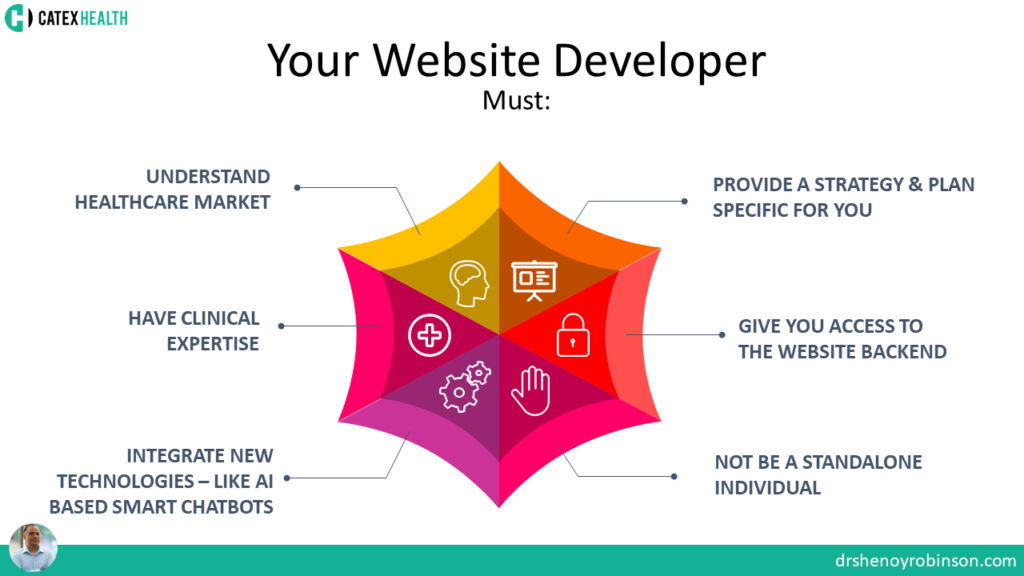
Your Website Developer Must
Choose a website developer who has the following:
Deep
understanding of the healthcare market
Clinical
expertise
Has capacity
to integrate different technologies – like Ai based smart chatbots
Provides a
proper plan of how they will engage and make a proper strategy for you
Gives you
access to the website, backend and the server
Avoid
standalone individuals- they are cheap but in the long run very expensive. They
will not have the bench strength to manage all of the above requirements and
can potentially land you into trouble.
Be Professional
Think, while you are willing to spend millions on your physical clinic and hospital – its decor, furniture, equipment etc, why skimp on the most powerful and effective face of your organisation!
I am willing to provide a free 15 minute consultation to those who are interested in learning how to build a powerful and effective website. Email Me here.
Ethical Powerful “Pharma -Physician- Patient” Relationship. How Pharmaceutical industry can ethically collaborate with Physicians to enhance Clinical outcomes and Patient experience?
Lately there has been a lot of denunciation and criticism around the alleged relationship (misinterpreted as nexus) between doctors (physicians) and pharmaceutical / allied health sector industry. The media has time and again highlighted this issue which has resulted in a perception that all doctors advise and write prescriptions with ulterior motives. Even the Hon. Prime Minister felt compelled to speak about this at a public forum last year. This arguably is the single most important factor that has eroded the public’s trust on doctors and contributed to the destruction of the “doctor-patient” relationship.
A majority of doctors are either unaware or at best have a superficial and partial knowledge of the law or rules governing their professional relationships with the pharmaceutical / allied health sector. I have summarised para 6.8 of the latest “Indian Medical Council -Professional conduct, etiquette and ethics regulations” that outline the code of conduct for doctors and professionals while dealing with pharmaceutical and allied health sector industry.
Recently, the Hon. Minister of Health and Family Welfare stated in parliament that the CEOs and Managing Directors of pharma companies would be held personally responsible and action taken against them, in case of infractions by their company to this act. Hoping that the act is enforced properly in letter and spirit (I personally look forward to it) this will be a welcome cleansing of the industry!
However, does this mean that Pharma and Doctors cannot meaningfully work together to provide better services and care for their patients? I disagree. There are many ethical and powerful ways that Pharma industry can contribute to the patient’s welfare. In this article we will explore these possibilities and discuss concrete actionable ways to make this happen.
Let us start by listing major needs of patients and physicians today. Thanks to the Chronic and life style diseases epidemic the patients’ requirements have changed and managing them is no longer about “curing” them but ensuring minimal deterioration of their health. The other area is Access – a vast majority of patients do not have access to doctors especially specialist doctors.
Regarding doctor’s needs – they have little knowledge of Non- Clinical skills and competencies as these are not part of any medical curriculum, but are now critical for success e.g. communication skills. The other major area is modernising their ways of practicing medicine e.g. applying digital technologies in their clinical practices.
Based on just these major requirements of both the physician and the patient, I offer a few concrete ways for Pharma to engage and contribute towards better patient care.
Patient Education
Patient Education
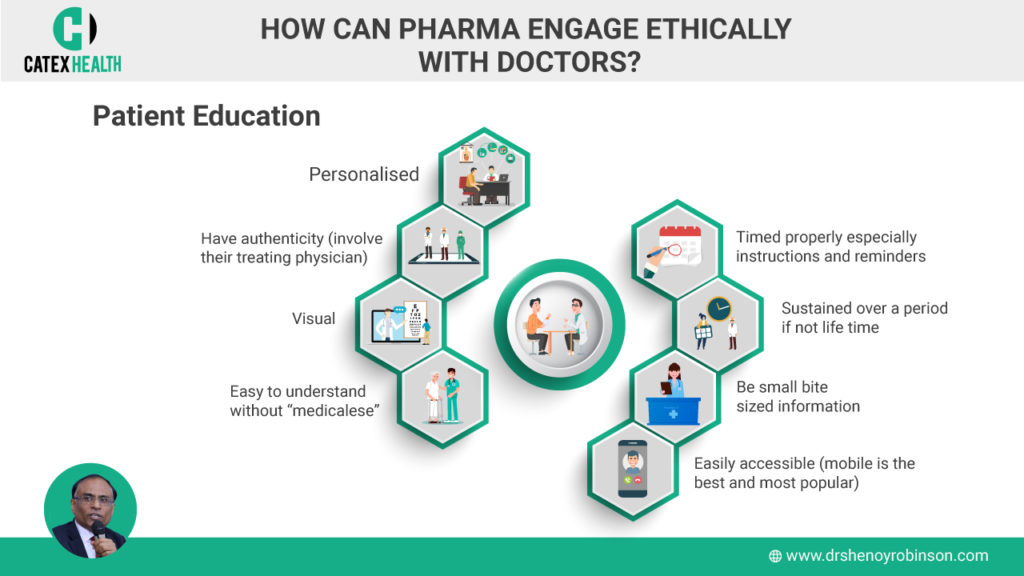
This is a an easy one and most pharma companies have been dabbling in this area with varying degrees of success. However for patient education to be successful, it should be:
Personalised
Have authenticity (involve their treating physician)
Visual
Easy to understand without “medicalese”
Timed properly especially instructions and reminders
Sustained over a period if not life time
Be small bite sized information
Easily accessible (mobile is the best and most popular)
I am enclosing a few samples of what excellent patient education can look like. These are samples of what we at Catex Health are providing. Pharma can collaborate with doctors and contribute towards patients’ education in a massive way. Not only is this ethical but will be a great service as it will increase patient compliance and help to improve clinical outcomes and reduce complications in a big way.
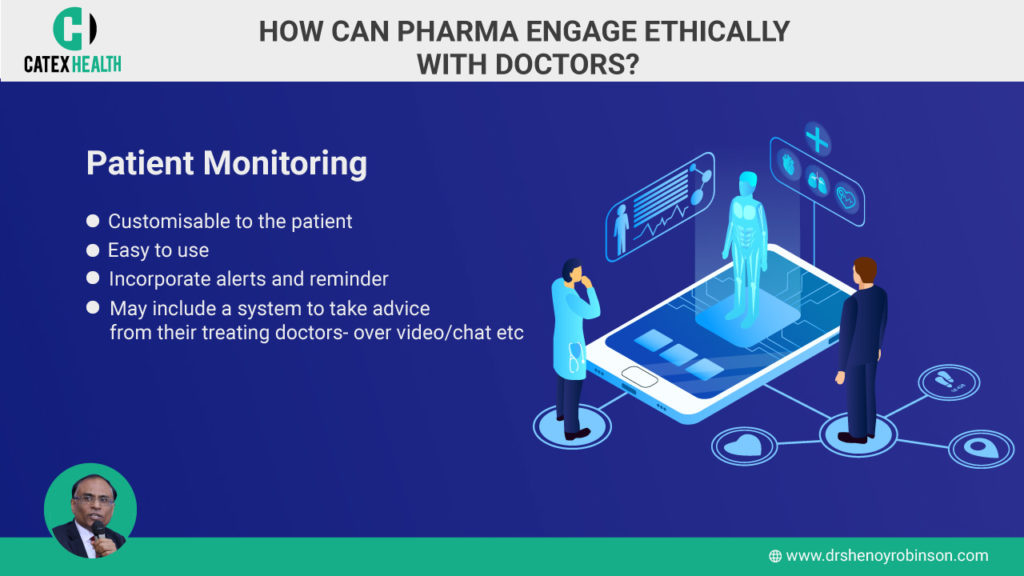
Chronic diseases require patients to monitor their health – the parameters vary with the disease and its severity. Providing an easy method to do so would be a great boon for patients. So, an effective patient monitoring service needs to be:
Customisable to the patient
Easy to use
Incorporate alerts and reminder
May include a system to take advice from their treating doctors – over video/chat etc.
How about providing easy access for screening consultations, second opinions or follow ups from the comfort of the patient’s home or their town? This need not be free but can be self-sustaining.
Key Success Factors
For successful on the ground implementation of these 3 solutions, two key factors are critical:
Integration and
Comprehensiveness
Ensuring physician enrollment
Integration and Comprehensiveness
Patients suffering from Chronic Life style related issues do not have a single health issue but usually have co-morbidities or multiple health issues, all of which are important for their well-being. For success, the platform must provide all services under one umbrella. It is impossible for people to access bits and pieces from different platforms or apps. Similarly, physicians cannot be expected to handle multiple apps and technology solutions. In case all of these along with practice management services are available under one solution the physician buy in and usage will be higher. Pleasemessage me directly and I would be delighted to share more about such platforms.
Ensuring Physician Enrollment
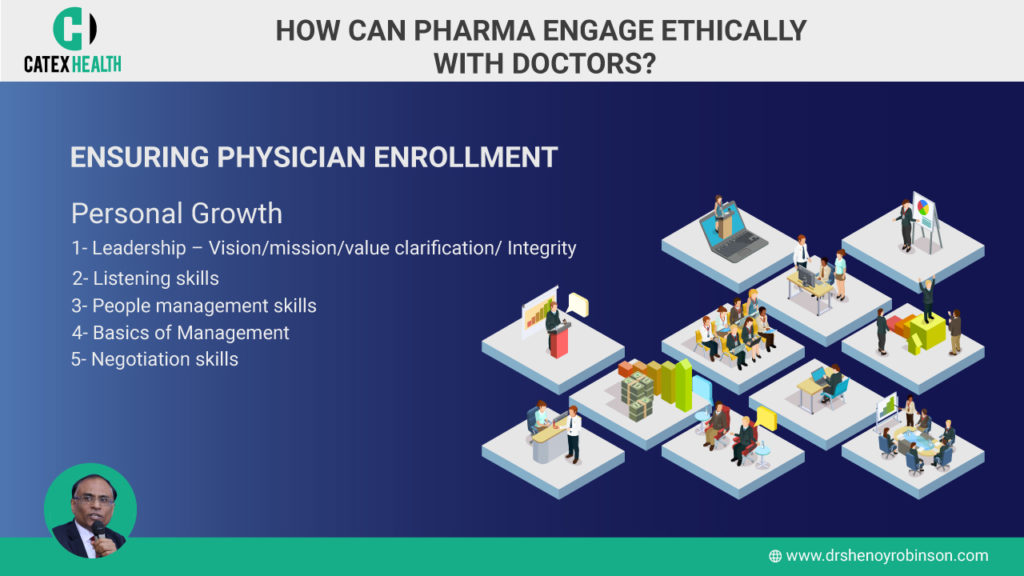
Physician involvement and enrollment is necessary as they provide the authenticity of the content, advice and treatment as and when needed. But physicians are most reluctant to adopt new “stuff” as they have little knowledge and are risk averse. We must educate them on how this will help them to get better clinical outcomes, enhance patient satisfaction, strengthen their relationships with patients, all of which ultimately contribute to the success of their practices.
So how about conducting Medical Education programmes on Non- Clinical subjects? The nature of such a programme must be a workshop format and include:
An expert Facilitator/Speaker
Highly interactive
End with an action plan for
each participant
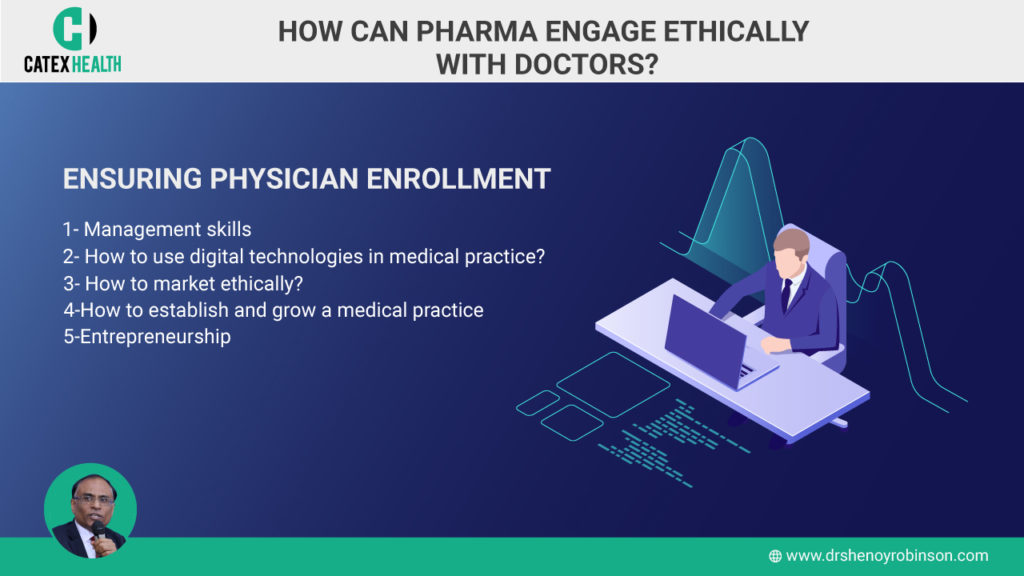
Here is a suggested list of subjects that are important for physicians’ to succeed today:
How to use digital technologies in medical practice?
How to market ethically?
How to establish and grow a medical practice
Entrepreneurship
Ensuring Physician Enrollment
Conclusion
Pharmaceutical companies can adopt a dual approach to how they engage with doctors ethically and professionally.
Provide platforms for patient engagement – education and monitoring
Educate physicians on Non – Clinical subjects
These approaches have the ability to serve as game changers for the industry and society. It will help to not only mitigate the current negativism but enhance “pharma – physician– patient” engagement meaningfully and ethically!
I would be happy to provide advice and solutions on the above.
Learn How “Digital” Is Powering Incredible Results on Marketing Investment By Doctors & Hospitals
Doctors & hospitals discover 5 essentials on how to use digital
technologies to get amazing results from their marketing.
Why is marketing essential
for doctors?
Physicians have mixed views on Marketing – Some are vehemently against any kind of marketing while others believe that it is essential for establishing and growing their practices. From my healthcare experience of 35 years (a clinician in a mega government hospital, private practice in a village, CEO of the largest private hospital chains in India, Advisor to PE funds on investment in Healthcare and running my own company) I can confidently say only one thing- Today, Doctors have to market and establish their own brands, they have no choice.
To doctors who work in private “corporate” hospitals and believe that marketing is the responsibility of the hospital and their job is to merely treat the patients who come to them, I have one simple message – Start marketing now. That nice marketing head and CEO have actually no interest in investing in you or your brand, they do it out of compulsion. Given a choice they would not spend a penny on you and once they find another (less expensive) physician they will drop you like a hot potato. I have seen senior consultants (with more than 20 years of practice) being asked by hospitals to leave or denied OPD rights because they are no longer pulling in patient volumes and revenue as per “their” expectations. The “poor” physician finds themselves left high and dry with no patient base, no brand, no practice. It is heart breaking to see their fear, frustration and dejection! Unfortunately, I foresee an increase in the number of such incidents in the near future. The solution lies in understanding this –
“Dear friend, nobody I repeat nobody is interested in promoting you,
start doing it for your own self, protect your professional pride and earning capacity
by investing in your own systematic ethical marketing”.
How to market ethically
yet powerfully?
Remember to build your practice on these two foundational pillars of powerful ethical marketing – Patient education and establishing a deep lifelong Doctor- Patient connect!
In this article I will discuss the 5 top marketing trends in
healthcare marketing that can help doctors to develop a better understanding on
how to market effectively.
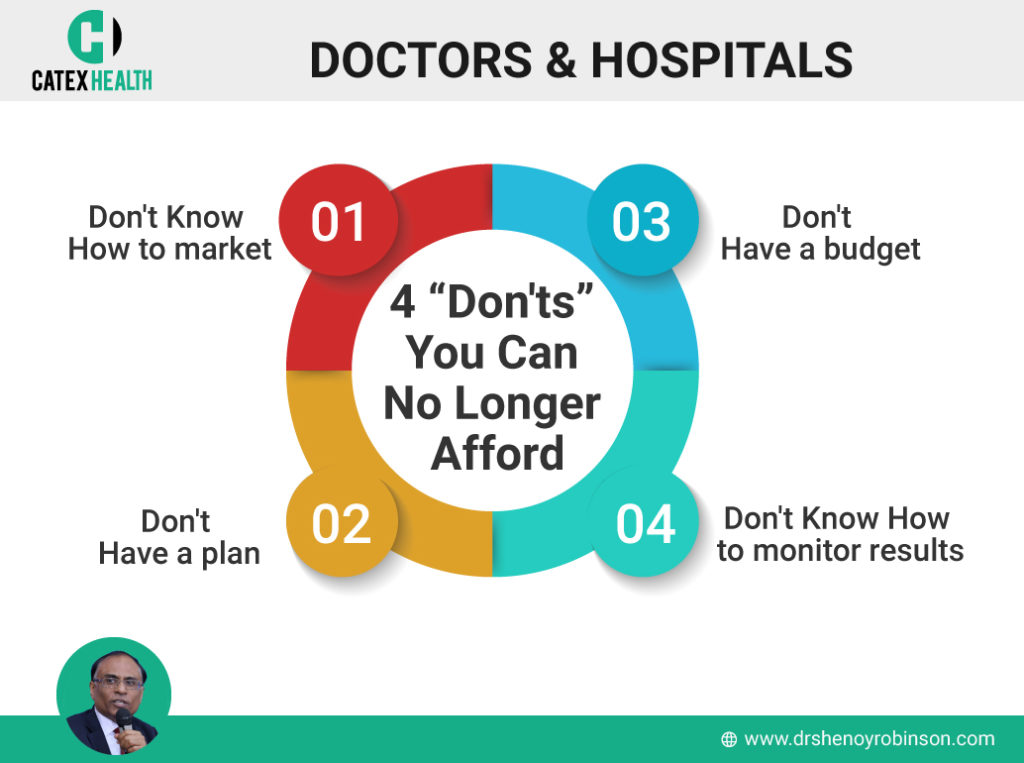
As a doctor or hospital manager/owner your main interest is to gather new leads (enquiries) and convert them into patients who come back year after year while at the same time PROACTIVELY refer your services to their friends and relatives. It is not easy, and will get tougher each year as competition increases, technology changes, and new regulations are introduced. You just cannot afford to continue with these 4 Don’ts :
4 Don’ts Doctors Can No Longer Afford
Know how to market
Have a plan
Have a budget
Know how to monitor results
However, don’t be disheartened. In this article I will provide you
with basic understanding and tips on how to start or update your marketing
strategy to stay ahead of the competition. Establishing and executing a
marketing plan that is in line with these current trends will not only help you
to outperform your competitors, convert more leads, get more referrals but
continue to increase patient satisfaction and retention.
Tip 1: Place the patients experience first
In line with other consumer trends, the expectations of Patients
expectations are increasing to the extent that they now evaluate healthcare on
the basis of their total experience. So, as I have mentioned earlier in my
V-Log, every patient has a journey with multiple touch points (moments of
truth) and each encounter defines their overall experience. We must ensure that
this experience is not just great but exceptional.
Specialist doctors who do elective procedures, I would like you to ponder on this trend – we have seen in some doctors’ practices that 30 – 50% of new patients are now coming via the digital route, up from 3-5%, three years ago? This statistic itself tells a very clear story – You need to ensure that you have a powerful and effective presence in the digital space!
So, what is this digital experience? What are the must haves in
order to be effective and powerful? The first and foremost is to have an
effective website.
Tip 2: Get an Effective Website
A Website Is Your Virtual Clinic
A website is your virtual clinic cyber clinic which will have far more traffic (visitors) than your physical clinic. Most probably the patient’s first experience with you or your clinic or your hospital will be on your website which will define their future action on whether they come for a consultation. Imagine the loss- spend money to get the patient onto your website and then not being able to convert them to a consultation, thanks to a lousy website experience. Hence ensuring that you have an effective website is crucial for marketing success.
Think, while we are willing to spend millions on our physical clinic – its decor, furniture, equipment etc. we look for the “cheapest” solution with regard to the website. What is a good website?
A website is about the Patient’s experience, technically it is called User Experience (Ux). The design, colour, photos etc. is secondary. So here are 6 points to guide you on how to get a great website developed:
The website is about the visitor, in this case a patient – identifying with their problems, feelings and providing them with a solution. It is NOT about you or your equipment of your skills, they come later.
The website should engage with the patient – providing tons of text with liberal doses of medical jargon is not patient engagement. Effective patient engagement needs to be simple, visual, personal. Installing a smart chatbot with clinical content is the key differentiator.
The website should establish your credibility. Patient reviews are the most powerful.
Being Visual is the modern trend, in which making use of video content is most effective.
Having properly thought out CTAs (calls to action) will make or break your marketing! Provide multiple ways for the patient to engage with you- Message/Phone/Consult over video (Screen)/ Chatbot/ Book Appointment /Download your App/Mail/ FBM are just some of the methods that should be available on your website. Your patient will choose the one that they are comfortable with. Providing CTAs that are convenient for YOU guarantees sub optimal results.
Ensure that your website is designed for mobile phones! More than 80% will access your website on their mobiles.
Food for thought
Your website may be instrumental in getting more consultations or it
may be turning away potential enquiries. Net, net there is much more that goes
into a website than some colours, designs and photos. Don’t look for cheap
solutions, look for effectiveness. If you want to know more feel free to setup
a 10 minute call with me or my team.
Tip 3: Social Media
Reputation management is key to converting new patients and the power of digital is immense. It can establish and at the same time damage your reputation. Whatever the case, you cannot afford not to be there!
The essence of social media is to connect people and enable them to share.
The sharing could range from their personal journeys to their experiences!
Social media is tailor made for healthcare marketing. But it needs to be done
properly!
It provides space for you to engage actively with your patients and
potential patients. It helps to develop a deep connect between you and your
patients. Every Social media platform is different and you will need to
identify the platform that will be effective for your specialty, audience and
expectation.
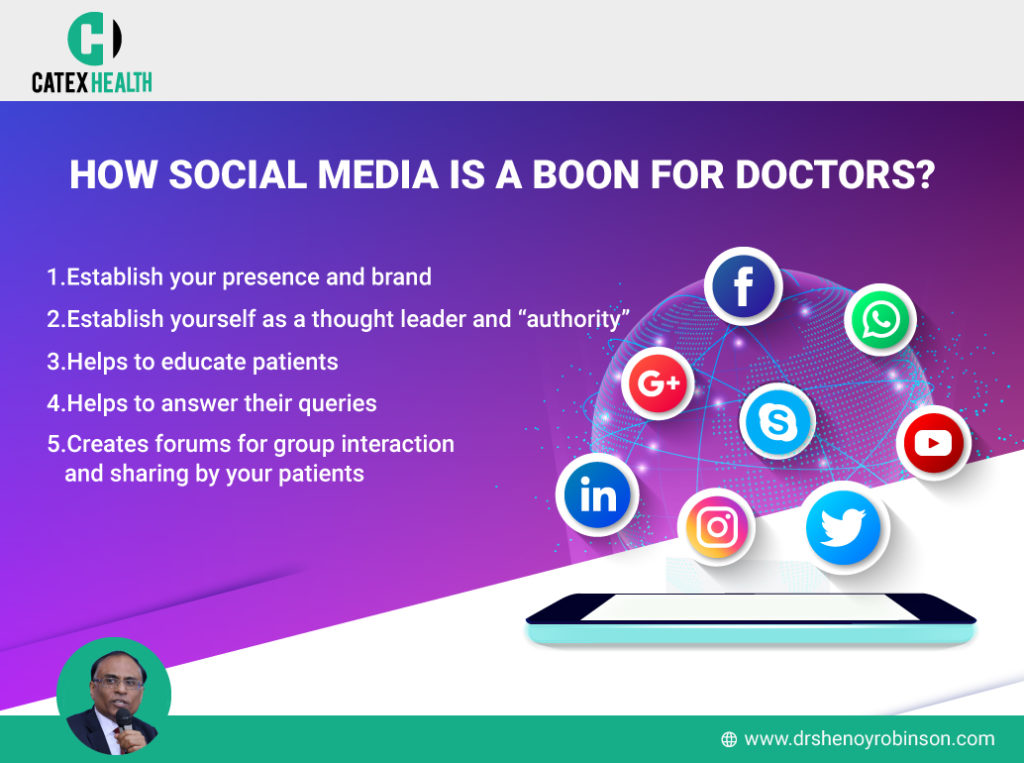
Social media can do the following for you:
How Social Media Is A Boon For Doctors
Establish your presence and brand
Establish yourself as a thought leader and authority
Helps to educate patients
Helps to answer their queries
Create forums for group interaction and sharing by your patients.
Tip 4: Content
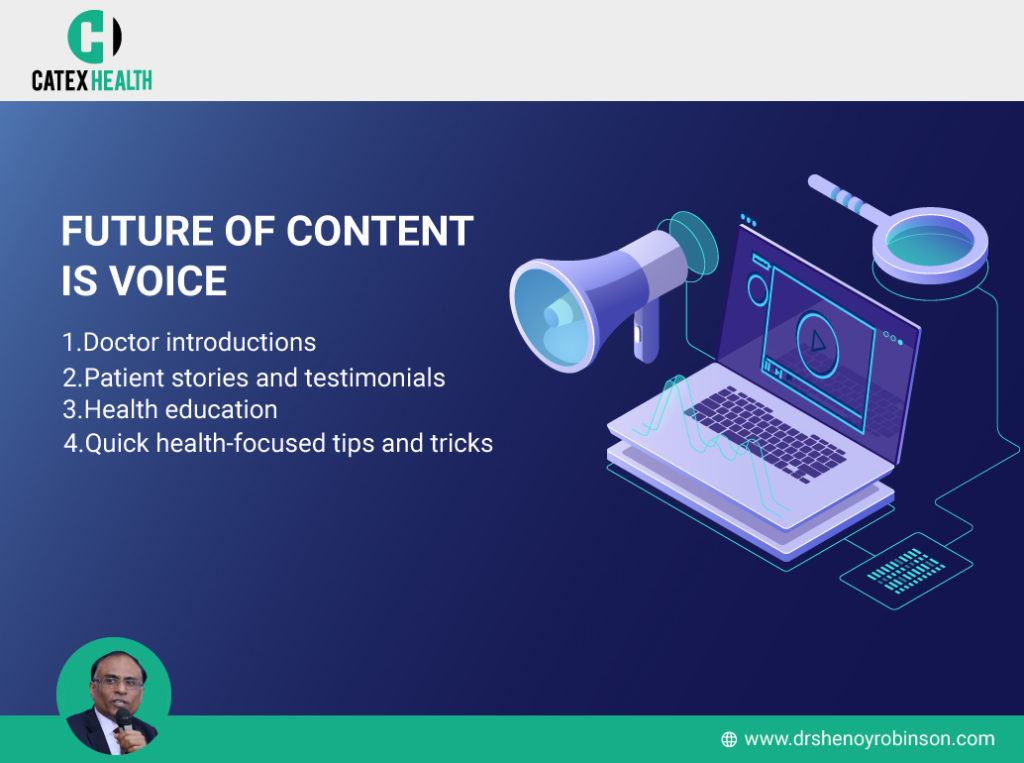
As mentioned earlier content is king! And the future of content is voice.
Using voice in different ways can guarantee amazing results. The
best and effective medium is to have videos. Not fancy slick professional
stuff, just nice real videos, where you are discussing problems and solutions.
Here are just a few ways to use video in marketing your clinic or hospital:
Future Of Content Is Voice
Doctor introductions
Patient stories and
testimonials
Health education
Quick health-focused tips and
tricks
Tip 5: Get Your own personalised Healthcare App
Your personalised App ensures independence, secures your patient’s
data and establishes a powerful connect with the patients. However you should
not be tempted to get your own App designed. It is tempting to do so as it
appears to be cheap. However bear in mind the following:
It is a great hassle!
Will need maintenance
Will require upgrades and updates
In case of an individual developer they will lack bench strength to provide support
Your friendly tech friend or relative will entice you into this but
my advice is stay away. You are a practitioner and need to focus on treating
patients. Not get involved with SRS/Ui/Ux etc. It is better to identify a
company that is well established and has clinical domain experience. Don’t get
confused-Healthcare and clinical are not synonymous.
To conclude please keep in mind that the Patient experience is driving success for doctors and hospitals. By creating an excellent patient experience by combining clear simple communication with an excellent digital experience, patients are more likely to not only return, but refer you by mouth and online.
Digital space is increasingly where most of these experiences take place and hence is doing digital right is the key to get outstanding returns from Marketing spend. Your website, social media, content is no longer a “tick off” it is serious investment in your future. This is where your patients are going to come from hence do not take risk. In case it is done well it will guarantee success but done badly it can have serious consequences.
Realizing the crucial need of the healthcare industry across the world, we designed the “Patient Magnet Services”. The Patient Magnet is a one stop solution for individual doctors and hospitals that caters to all their digital requirements. We customise the solution for each individual doctor according to the nature of their practice, specialty and location. In case you are interested to learn more, you can book a free 10-minute call with me or a senior member of my team.
Are you satisfied with the results from your marketing efforts and spend? Would you like your marketing to be more effective and powerful? This article outlines the 5 principles that can explode your marketing returns.
The healthcare industry (Hospitals & Individual doctors) is facing a universal challenge that most doctors and hospitals are grappling with nowadays- Healthcare Marketing. Despite their best efforts most doctors and hospital managers are dissatisfied with the returns that they get on their marketing spend. The level of dissatisfaction ranges from severe discontent to a vague uneasiness about getting adequate returns on the investment made. One always wonders if there is a better way? And the answer is a clear and resounding “YES”.
The fundamental problem that hospitals and doctors are facing is the universal and dramatic change in Buying Behaviour of the patient with the advent of the internet(Dr. Google) and Social media. While other industries have been quick to adapt to this change and have modified their marketing radically, healthcare has yet to reconcile with this change.
The cash paying patient’s decision-making behavior regarding their treatment has changed. They demand more information, transparency, accountability, support, second opinions and reviews. Unfortunately, doctors and hospitals have not only not adapted well to this but are actually hostile and resentful, hoping that somehow things will get back to “normal”. The sooner we accept this as the new normal and modify our thinking, strategy and planning the more effective we will be.
So, in this article I introduce FIVE basics that form the core of contemporary Healthcare marketing and are absolutely essential to build a powerful and effective marketing response
5 Essentials That Guarantee Marketing Success For Doctors & Hospitals
Integration
Ensuring Ease of Access
Powerful Engagement
Follow-up for Conversion
Post-treatment Engagement
Integration
All hospitals and doctors engage in a myriad different types of marketing activities that involve a serious investment of time, money and bandwidth. However, what is sorely lacking, is a system to integrate these activities and track the leads or enquiries generated. Some of us use rudimentary methods but they lack comprehensiveness. Typically, post lead generation follow-up is done via CALLS. Calling patients without taking prior permission is quite intrusive and can be a big “No – No” for the modern discerning patient. Most patients don’t like to be pushed into and making decisions regarding treatment over telephone calls. This can be seriously counterproductive. Remember Hard selling causes mistrust!
The solution lies in building an Integrated system that captures these enquiries and then engages with the patient at their own desired pace and using the channel or medium of their choice. This is explained in detail in the next section.
Ensure ease of access
The hospital or the clinic must incorporate all available methods
for a patient to connect and engage as per their preference. This implies that
the mouth of your Sales funnel must be as wide as possible. You can learn more
about the healthcare sales funnel here. Some of the portals that need to be
created are:
Website
Facebook business page
Active Facebook messenger
Consultations over video
Your personal App
Trained call centre (secretary)
The effectiveness of these portals is critical for success and incorporation of modern technology in these is a must. As an example, an effective and user-friendly website should incorporate the following:
Be Mobile friendly
Fast loading time
Ease of navigation
Capture patient interest
Messaging based on
visitor personas
A Smart- Bot that engages
meaningfully with the visitor
Google analytics and Facebook
pixel
Again, you need to have all of these modalities in one platform. Having separate vendors providing these services is not just ineffective but can cause leakages that seriously impacts performance and returns on investment.
Powerful Engagement
The key to success is not just providing easy access to your system but providing patients with quality engagement. So, ensure that you equip each modality adequately to effectively respond to ALL the patients. Using AI based smart-bots which are personalised to you, your specialty and your practice is effective way to ensure quality interactions with your patients. It guarantees higher engagements and conversions! In case you are interested you can drop an enquiry at Catex Health which provides all these services under one roof.
Follow up For Conversion
This is one of the biggest lacunae in our healthcare marketing. We are able to generate enquiries, patients may even come to the doctor for a consultation but then afterwards disappear. We don’t know if they decided to seek treatment elsewhere or not get treated at all. However, we would like to know what happened and respond accordingly! We could provide information that will support them to decide or in case they went to another doctor it would be good to get feedback in order to take effective corrective measures. Again, an integrated system driven by AI based smartbots available on all channels (Your own App/ Website/ Facebook messenger) is the most powerful method to drive this.
Post treatment/ discharge Lifelong
engagement
After the patients have been discharged, it is very difficult to stay connected. Some doctors are of the opinion that compliance and follow up is the patient’s choice and problem. This is not true, it is our responsibility to support treated patients to comply and follow-up. However, this takes gets neglected due to the paucity of time. Those who understand and invest in post discharge engagement are sure winners! The quality of the post discharge engagement is important. It has to be timely, easy to access, easy to understand and personalised to the patient. Again, technology-based services are the answer.
In conclusion, the changed environment demands an appropriate response form us doctors and hospital managers. By integrating access, patient education, follow up and long term engagement in one platform creates a powerful marketing machine that is unstoppable.
In case you are interested to learn more about the “Patient Magnet” the most powerful Integrated service to grow your practice please reach out or drop a mail.
The Government of India has recently issued a Gazette notification for Medical Diagnostic Laboratories. Learn more about the notifications, who they cover and how they may affect you?
Clinical diagnosis and treatment protocols are now highly dependent
on different types and kinds of test/Investigation reports. This style of
practice is referred to by an umbrella term called “Evidence based Medicine”. The shift to Evidence based Medicine is driven by changes in patient’s disease
profile and the environment.
While the merits of this dependence on “report-based treatment” continue to be debated, the fact remains that modern diagnosis and treatments are no longer empirical based. A clinician is dependent on these test reports in their practice and in the case where these reports are erroneous both the diagnosis and treatment can go horribly wrong.
Till date there were no clear-cut guidelines for Medical Diagnostic Laboratories to follow but now that has been rectified. The Government of India has issued a gazette notification on the “Minimum Standards for Medical Diagnostic Laboratories”
The Minimum Standards for Medical Diagnostic Laboratories (or
Pathological Laboratories) cover every clinical establishment relating to
diagnosis or treatment of diseases, where pathological, bacteriological,
genetic, radiological, chemical, biological investigations or other diagnostic
or investigative services, are usually carried on with the aid of laboratory or
other medical equipment. These institutions must comply with the minimum
standards of facilities and services as specified in the Schedule.
This notification has classified these establishments under the following three categories of entities
Basic Composite
Medium
Advanced
The requirements for each category of establishment have been further divided into “desirable” and “essential.” The standards cover the following areas:
Infrastructure
Human resource
Instruments and medical diagnostic equipment
Processes and protocols
Legal & statutory requirements
Record maintenance
Any move taken towards
standardization of quality of treatment is to be lauded. Creation of such
standards is a step in the right direction taken by the government in the
interest of protecting the patient and doctors.
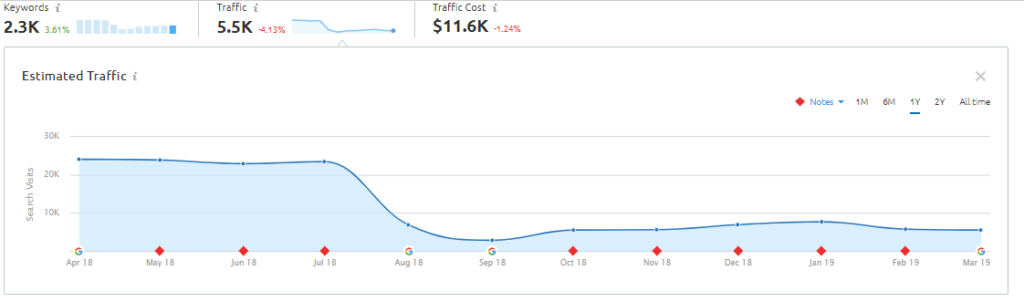
Yes, that is correct, you read it right. Google initiated significant changes to its algorithm in the last days of March which has resulted in medical sites taking a HUGE hit on rankings.
Medical websites that got a rank boost by back links through Private Blogging Networks, were hit most. Those having high quality content with natural back links got a spike.
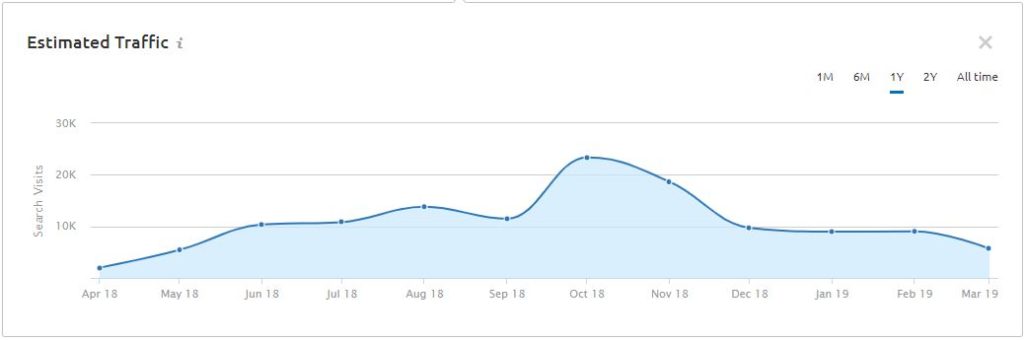
According to the data provided by SEMRush, Healthcare websites saw a massive fluctuation in traffic and rankings after the recent March 2019 Core Update.
According to the website the top 3 losers were:
MyLVAD
PainScale
Medbroadcast
MyLVAD
Is a
community and resource for people suffering from advanced congestive heart
failure and relying on an LVAD implant. An in-depth analysis of the site reveals
that there is poor compliance with the Google E A T quality.
The material shared on the websites is not authenticated
and credited to specialist doctors. Contact details along with people responsible
for the website are not available.
PainScale
Is a website, which also has an App that helps
to manage pain and chronic disease.
It provides information on pain management.
However the authority of the content shared is questionable. More importantly
there is a toll to manage pain which has a quiz. However the website asks users
to share certain health details before free sign up. Google has an aversion to
this method and the algorithm punishes hard.
Medbroadcast
Provides information about diseases, health conditions with treatment options. However authenticity of the authors is not available.
5 Musts To Manage & Protect
1. All Blog Posts Must Have The Author By Line
Websites in YML category that include healthcare, wellness, and finance sectors must have authors who are experts in that field. AVOID getting your content written by content writers. Authenticate all content.
2. Remove Scraped & Duplicate Content
Google scores your website by analyzing
individual posts and pages. If you’re engaging, scrapping or duplicating
content from another website, the chances are that you may get hit by an
algorithm update. Remember paraphrasing of content doesn’t make it unique, and
Google can identify these types of content very easily. Please remove all thin,
scrapped or rewritten content.
3. Invest in Personal Branding
Ensure that your website has an “About Us” page
and you’re providing valuable inputs to Google in the form of a schema mark up.
Provide positive testimonials and customer
reviews, both within the site and outside to boost the trustworthiness of your
website.
4. Focus on the quality of back-links More than on quantity
Do NOT “buy” back links and try to game the Google algorithm. Use blogger outreach as part of your SEO strategy to get high-quality links.
5. Secure your site with HTTPS
Security of its users is a priority for Google, and that is why it’s pushing websites to get SSL certified. HTTPS is now one of the ranking factors, and it’s also one of the ways to improve the rating of your website. Buy the certificate.
The world of healthcare has changed! Healthcare is “Commoditised ” Doctors are called “providers”, Patients “consumers” & the patient’s behaviour reflects this change. Wishing things will get back to “normal” is living in denial. So what should we do?
Globally, Healthcare delivery is undergoing turbulence. Almost everyone has an opinion owing to the sensitive nature of the subject. Varied Opinions on causes of ailments and diseases, treatments, cures, doctors, hospitals, policies, healthcare systems, pricing, profitability etc. are widely circulated thanks to the internet and social media. These unqualified opinions contribute to confusion and acrimony!
Some common misguided notions that people entertain about doctors today include:
Doctors have become money minded
Doctors are callous and indifferent towards patients
Doctors don’t spend adequate time with patients
Doctors refuse to understand patient’s issues
Doctors are arrogant and unapproachable
Doctors don’t communicate properly or adequately
Doctors don’t respect patient rights
Doctors hide facts from the patient
And many more…
Without going into the validity of these claims, I am troubled by so much angst against a profession that used to be “noble”. Perhaps, The answer lies in the fact that the world has changed and doctors have failed to do so. The changes affecting us today include:
The Power of Internet & Social Media
The internet and social media have changed human thought and behaviour drastically and irrevocably! People now have platforms to share their opinions, feelings, thoughts experiences easily, freely and globally! And guess what? health related issues are one of the most favourited topics of discussion globally. Unfortunately, this has serious repercussions for us doctors
There is a virtual “tsunami” of healthcare related information being freely bandied about. Some of it genuine, some fake and even downright fraudulent. Gullible people consume and even act upon this fake information with disastrous results. Antivaxxers, Natural therapies that guarantee 100% results, anti-medication rants… the list is endless. Patient desperately clutch at these straws
So what can we doctors do?
We must occupy this space, provide genuine information to our patients in a language and medium that they can understand and consume. A look at the average doctor patient communication will reveal that it is full of “medicalese” – medical jargon that is Greek to most patients!
So doctors, brush up your understanding of social media .develop the right skills, find out, learn, choose your social media strategy wisely. Most important! choose your vendors wisely – website designer, SEO, Facebook etc. They MUST have domain knowledge about your specialty and practice. One size does NOT fit all. You can attend one of my free Web master classes on this subject by registering here.
Changed
Buying Behaviour
Almost all industries have accepted the fact that consumer behaviour has changed drastically over the last decade. People are far more discerning when they buy. They go to the internet and check! They look for information, reviews, customer testimonials before making their choice. Most industries and businesses have now not just accepted but aligned their marketing strategies with this changed behaviour. We, in Healthcare lag behind sadly! We harbor deep resentment towards patients who use “Dr. Google” and we are hoping against that this Dr. Google nightmare will end soon! Let me deliver the bad news. It is not going to go away, in fact it is only going to get worse.
We have to change our understanding of “marketing” completely and then ensure that we are out there in the world doing the right stuff! Integrating our marketing, and building an “Integrated Sales Machine” is the key to ethical marketing and success.
Empowered
Patients
The modern-day patient is knows their rights and wants a choice. Patients are looking at being partners and not just recipients in managing their health. Unfortunately the response from most doctors is disappointing. A majority of them say – “My patients do not understand all this. They are not interested”. We could not be more mistaken. In front of us they may be docile and unquestioning, but they are not just interested but seriously concerned about receiving the best treatment.
So, when we doctor’s don’t educate them they go to Dr. Google or the nearest quack or their grandmother or their barber… And guess what? All of them have opinions and answers! As their treating doctor they have put their faith in us but we fail to measure up and allow third parties to get in the way of our relationships with our patients.
So once again we must learn how to educate, answer queries, support compliance and adherence, track and monitor to get superior clinical outcomes! The only way we can do this effectively is by using technology-based services. Again, we must learn and educate ourselves. Our clinical expertise is not enough!
Hostile
environment
The environment has become hostile ! It appears that there is a conspiracy by the media, politicians, bureaucracy to “get us”. The environment is demanding transparency and accountability from doctors and hospitals. We may well express resentment and have a victim mindset – asking why us? Why not lawyers, judiciary, other professionals, politicians etc. However the burden to bring in transparency and accountability in our dealings lies with us. Unfortunately, this is where our roles may be limited by the “management”.
So what can we do? One way is to lament and curse and the other is to take back “hospital management” and/ or influence management decisions and policies. Unfortunately, because we lack the basic knowledge of Leadership, Management, Finance and Marketing, we cut a sorry figure in management meetings. I have first-hand experience of sitting in hundreds of management meetings where doctors have betrayed their lack of understanding of these basics. So, what do we do? Again, the answer is learn and empower ourselves. These are not difficult.
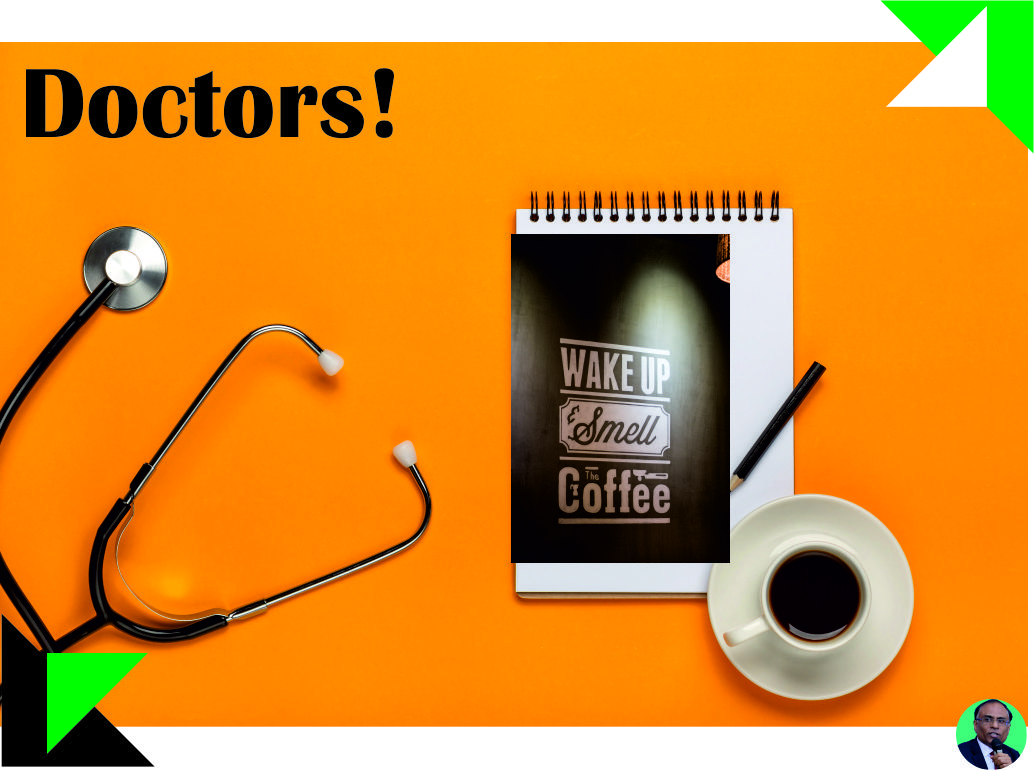
To conclude my dear doctor friends and colleagues, my earnest plea is for you to wake up and smell the coffee, stop living in denial. The world has changed and will not revert to “normal”. We need to be ready for this world. We must empower and equip ourselves with the basics of Leadership, Management, Finance and Marketing in order to lead healthcare in all respects.
I have a passion to empower and teach doctors, hospital managers on these vital subjects.
“The ethical duty of all doctors is to
ensure effective care for their patients. This would mean that their own
conduct should in no way harm their patient. Sexual relationships between
doctors and patients invariably harm both the patient and the doctor. Trust,
which is central to an effective doctor-patient relationship, is inevitably
damaged. In view of the power gradient that invariably exists in the
doctor-patient relationship, the onus is on the doctor to ensure he or she does
not enter into a romantic or sexual relationship with a patient.”
The Official website of the MCI recently posted these guidelines on “Sexual Boundaries For Doctors” that were initially meant for the members of the Indian Psychiatry Society members. The highlights of the guidelines touch upon the following points:
They are gender neutral
The nature of “power gradient” in a “doctor- patient” relationship
The importance of trust and how such behaviour destroys it
Non consensual relationship is a crime under the Indian Penal code
Consensual relationship may not be illegal but is a sexual boundary violation
Inappropriate behaviour during physical examination & sedation is a violation
Relationship with “Former or Ex” patients is discouraged & considered a violation
Guidelines apply to family members of patients
They also advise on how to handle false allegations.
To download the complete guidelines please click here.
Chronic diseases account for 53% of mortality today. If that isn’t disheartening enough, this figure is projected to increase to 67% by 2030. The need of the day is to look beyond traditional ways of delivering healthcare and develop service offerings that would expand the domain of care delivery.
As far as healthcare in India is concerned, there are two major factors that currently prevent effective and easy management of chronic diseases. 1. Access: Presently, chronic disease management facilities, such as specialty hospitals or large medical centres equipped to provide all types of medical service under one roof are concentrated in major cities. In a country where over 70% of the population lives in rural areas or small towns, this means that access to such facilities is difficult for large segments of the population.
2. Management at Home:
The second gap is the lack of support for these patients to manage their health from home which inevitably results in high travel costs, delay in treatment and increased discomfort to the patient and the family.
The most efficient solution to combat these issues would be to adopt and increase the use of Digital Connected Care Technologies. These are products and services that employ technology to be used in enhancement the traditional healthcare delivery system.
An ideal connected care solution would support medical professionals (doctors, psychologists, counselors, dietitians, physiotherapists, etc.), hospitals, diagnostic centres and pharmacies to ensure that patients receive the right service and treatment at the right price.
The following are some services that Digital Health technologies could provide:
Assist in identifying, locating and accessing the right specialist doctors, based on the patients’ problems
Provide primary consultations without having to travel long distances
Assist in getting second opinions from doctors with ease.
Make it easy for patients to have follow-up consultations
Monitor health parameters, such as vitals, blood reports, compliance with diet and medication at home, including 24×7 real-time care (if required) by trained personnel.
Store medical records such that they are safe, secure and easily accessible anytime and from anywhere
Not only would such services significantly improve the quality and penetration of healthcare in India, it would also work at the most basic level to provide benefits to patients that are listed under.
Benefits to Patients
Improve quality of their life
Save money by reducing the cost of travel and accommodation in big cities
Save time
Have easy access to top specialists
Have better control over disease parameters through early detection, management and reduction of complications
In the last few years, many IT players have introduced applications, software and hardware, such as activity trackers, etc. by which they have attempted to provide solutions to these problems. The issue is that most of them are providing services in bits and pieces, and a comprehensive offering which would provide all these services under one roof is still awaited. It is also worth noting that none of these solutions have proved to be game changers, as they attempt to create a system of delivering healthcare by reducing the role of healthcare providers. Understandably, patients are not ready to accept this system, as the role of human element in delivery of healthcare is critically important.
The 5 keys to success are:
Build “Services” that use “Technology” as a tool
Ensure ease of use by both patients and care providers-Nurses and Doctors
Get buy in from Doctors by engaging with them and clearly defining “What is in it for them?”
They must be comprehensive- as bits and pieces do not attract doctors
They should use sound acceptable clinical basis and protocols as a foundation
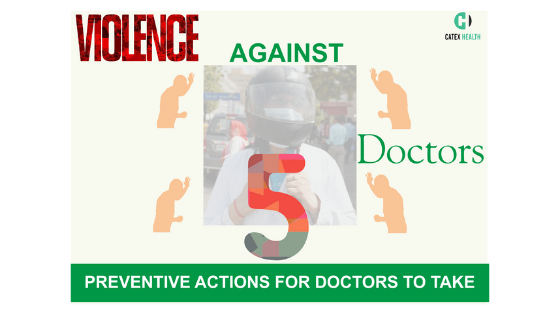
Violence against doctors and front-line health workers is a global phenomenon that is now showing an ugly upward trend especially in India. According to a study conducted by the Indian Medical Association (IMA) 3 out of 4 doctors (75%) have been subjected to violence in their careers. These acts of violence range from verbal abuse, threats to physical beatings and even murder.
There has been much anger by the doctor community and a lot of effort has been made to identify the causes that lead to this violence and steps to prevent these. In fact recently while I was speaking at a medical conference during the question and answer session a large number of doctors raised their concern and asked for solutions on how to tackle a mob that is baying for blood.
Based on my more than 30 years of experience ranging from working as a consultant at one of the largest public hospitals in Delhi to the CEO of the largest private sector hospital chains in India my answer
is that there is NO single one-shot solution.
Knee jerk reactions after every such episode is going on strike and asking for more security personnel and are cliched! They are needed but are definitely not solutions.
So, what can be done to ensure that such events are mitigated if not eliminated. A Multi- faceted approach is the answer!
Deterrence:
Strict Implementation of the law with perpetrators getting exemplary punishment is very important. Having a law (Violence against Doctors Act) is not the solution. Prompt action, investigation and trial by a fast track court may go a long way to stop this. Unfortunately, the responsibility for this lies with the Police and Judiciary. The only way to make this happen is for us as a community to maintain sustained pressure on the authorities to act. Additionally, it is important to ensure that evidence is preserved and eye witnesses accounts recorded at the earliest. Unfortunately, after the heat of the moment has dissipated most of us go back to business as usual and hence the crime continues.
Prevention
The key principle for prevention lies in Restoring trust in healthcare. How can we do that?
Here there is a large role that we doctors have to play. We must change our styles of practice and evolve them to be effective in the current environment. Five ideas that may help include:
Build deep doctor patient relationship
Most doctors understand this and unfortunately take it for granted. My patient will never go against me. Are you aware that a dentist was killed in China by an aggrieved patient 27 years after he was treated? DO not take your patients for granted. Start investing in the doctor patient relationship. Provide them what they are looking for: Honesty transparency and empathy are the big ones. We did a survey on what patients are looking for from their treating doctors and are happy to share the result. Please message on face book messenger and we will share the graphic.
Educate and instruct patients
Patients are looking at being partners in managing their health. Unfortunately the response from doctors when I talk with them is disappointing. A majority of them state – “My patients do not understand all this. They are not interested”. My dear doctors you could not be more mistaken. In front of you they may be docile and accepting but believe me they are interested. Not merely interested by seriously concerned about learning what is wrong with them and the getting the best treatment options
So, when you dear doctor don’t educate them they go to Dr. Google or the nearest quack or their grand mother or causing or the barber… And believe me All of them have an opinion! As the treating doctor they have put their faith in you but you fail to measure up and hence allow third parties to get in the way of your relationship with your patients.
We have created a Patient Engagement Service that enables doctors to do this vital function without expending any time or energy. In case you are interested to learn more about these services please click here.
Set Realistic patient expectations
I quote an FIR lodged recently – “She added that the surgeon informed her on April 14, 2018 that the surgery was successful. However, a couple of hours later, he told her that they had to perform another surgery to address an undetected hole in the valve. Thereafter, he was put on ventilator support and the doctors kept telling her that he was kept in a state of unconsciousness as part of treatment. On the afternoon of April 17, 2018, the hospital staff informed Sunita that her husband’s condition was critical and a few hours later told her that he had passed away.”
Imagine the shock that is delivered to a patient when the doctors suddenly share an adverse outcome. They are not emotionally prepared for bad news. Whose responsibility is it to prepare the patient’s relatives for untoward incidents? This is the second critical thing that doctors are neglecting at their own peril. We do not counsel the patient appropriately because of various reasons which I am not going into here. The consequences are that the patients has unrealistic expectations abut their treatment. Imagine the rude shock that is delivered to the patient and their relatives once they experience the reality that is different from what was conveyed to them or conveniently not revealed. In India most patients believe that if they spend “enough” money they will get “cured”. Who has the responsibility to ensure that the patients and their relatives do not harbour any unrealistic expectations? Patients or doctors or both?
Respect our colleagues
“Which fool was treating you till now? Thank God you have come to me otherwise…” How many of us have heard these words or have used them ourselves? You may be right but how will it help the patient? In our endeavour to appear superior and more knowledgeable we undermine and under cut our poor colleague who had been treating the patient. Do we realise what we just did? We have created doubt in the patient’s mind. He will now look at every doctor with suspicion including yourself. For me it is inexplicable why we doctors continue to compete with each other till the end of our lives. For goodness sake our last competition was the PG entrance! Live in peace
Work with the media
Most doctors believe that the media is hostile to them, which is probably true. So how do we handle this? Each one of us has the responsibility to influence the media and we usually get it wrong. I underwent training on how to handle the media and press conferences. So, let me share a couple of learnings -Facing the media requires serious planning and preparation. You need to make sure that the facts and your narrative is in synch. Secondly use your skill to get them on your side or at best to be neutral. Never antagonize them. Do not be arrogant. Last do not tell untruths. It is best not to comment than tell an untruth!
To conclude there is no single miracle bullet that will solve this problem. I am sure there would be few other things we can do to protect like maintaining records, maintaining good relationships with local policemen, identifying potential trouble makers early etc. Those are discussions for another time.
However, it will require us to change & evolve our medical practices to ensure that they are effective and in line with current environment.
Look forward to hearing other opinions!
In case you are interested to learn more about our revolutionary “Patient Engagement Services” please click here.